
- Founder-led B2B companies without a full outbound team.
- Small agencies that need a dependable research and sending layer.
- Teams testing a market before hiring a larger GTM function.
Personalized cold email campaigns
Turn a real signal into a better sales conversation.
GTM Squirrel helps lean B2B teams choose who to contact, write a reason to care, and learn from every reply.
Signal firstHuman copyClear next step

GTM SQUIRREL METHODA reason worth opening.research → write → learn
Who it fits
Bring the messy bit. Keep the decision-making.
The work is for teams that need a reliable research and sending layer before they add another full-time GTM hire.
Guaranteed lead volume, spray-and-pray lists, or unreviewed automation.
What we do
Four ways to make outbound easier to run.
Start with the part that is stuck. Every engagement ends with a clear next step.
Signal Sprint
Audience definition, research criteria, and a clean first list.
Starts with: audience + suppression briefInbox Ready
Domains, inbox roles, warm-up plan, pacing, and safeguards.
Starts with: infrastructure checklistConversation Engine
Research, first email, measured follow-ups, reply triage, and reporting.
Starts with: sequence + voice guideGTM Partner
Ongoing experimentation and a shared operating rhythm.
Starts with: weekly reply reviewThe service layer
Everything around the send, made visible.
The useful work happens before and after the first email. These are the practical layers that turn a list into a conversation system.
Campaign setup
Clarify the audience, offer, reason to care, and the decision a good reply should unlock.
Targeted list building
Build and verify a focused list with role, company, fit, source, and suppression context.
Personalized email
Use real company and role signals to write concise messages that feel specific without pretending familiarity.
Follow-ups + CRM handoff
Plan measured follow-ups, stop rules, and a clean handoff into the CRM when a reply changes the next step.
Performance review
Review delivery, replies, opt-outs, objections, and next-step categories instead of chasing one vanity number.
Consulting
Turn the review into one useful experiment for the next audience, message, or sending decision.
How it works
We build connections from every send.
The campaign is built around a clear offer, a defined audience, a paced send, and the replies that tell us what to do next.
SignalWho belongs, why now, and what is suppressed.
MessageWhat the first touch says and what the follow-up adds.
ReplyWhat the response changes, including a stop.

Our approach
How each campaign takes shape.
We turn your offer and real market signals into outreach that feels human, specific, and easy to act on.
Offer
Make the offer, audience, and reason to care explicit before a send.
Insights
Use website, LinkedIn, and role signals to find the right prospect.
Delivery
Warm domains, rotate custom inboxes, and pace volume before scaling.
Build each email around the person; no templates, no fluff.
Results
Track opens, clicks, replies, and objections to see what earned attention.
Improve
Keep what works, change what does not, and stop when the signal disappears.
What a useful first touch does
Make the reason to reply obvious.
A strong cold email gives the recipient a clear reason to care, a small next step, and room to say no. GTM Squirrel makes that logic visible from research through reply review.
GTM SQUIRREL FIELD GUIDEA first-touch plan built for your marketSignal + relevance + one small ask
FOCUSReach the right prospect with a message worth opening.
We anchor every message in a concrete signal, send at a pace your list can support, and use replies to decide what happens next.
A reply is useful signal. We use it to shape the next move.
PersonalizedCopy built around the offer, audience, and person receiving it.
Measured paceControlled pacing that protects deliverability as campaigns grow.
Reply awareReal replies shape the next message, follow-up, and decision.
Archived campaign evidence
What a healthy outbound run leaves behind.
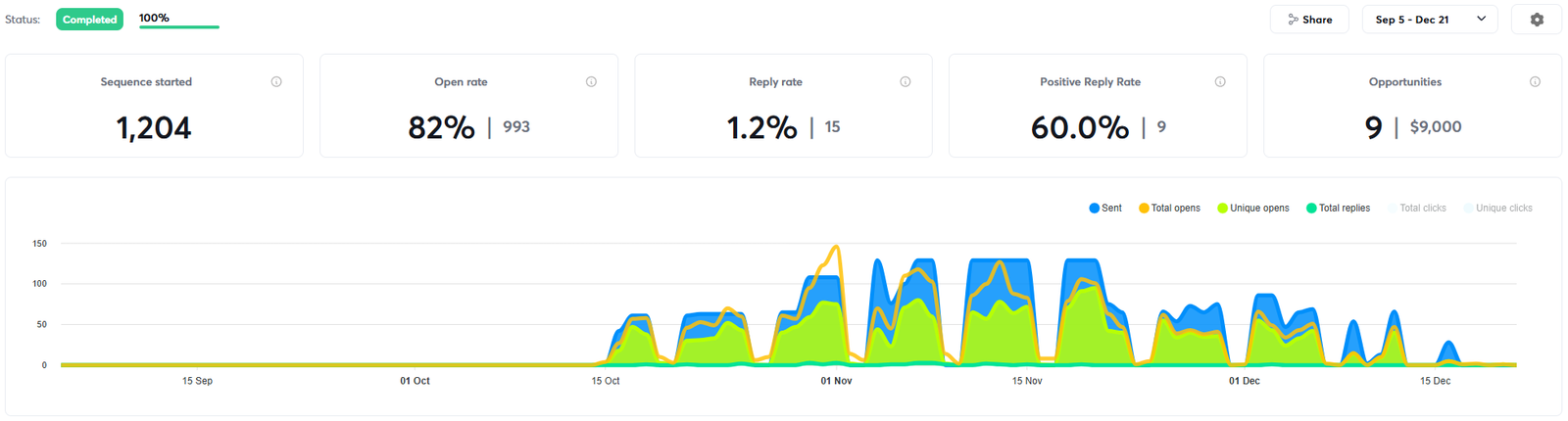
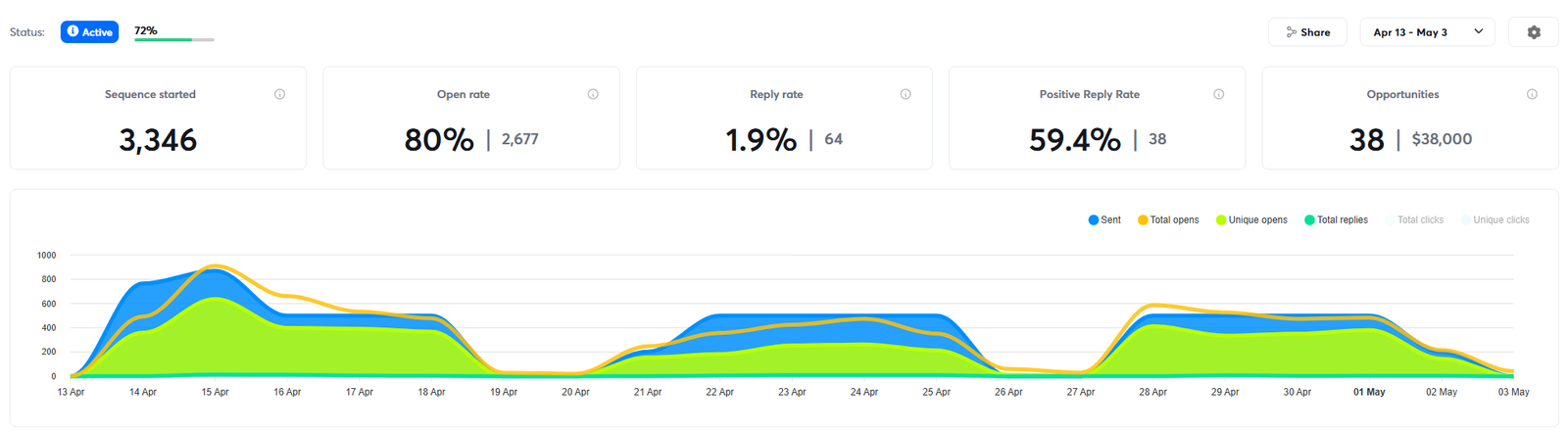
Aggregate snapshots from the historical asset library. They show the measures we inspect together; they are reference material, not a current GTM Squirrel client claim.
Archived walkthroughs
Three public Loom walkthroughs explain the numbers, the message choices, and the sending system behind the screenshots.
Campaign breakdown3,300 contacts. 2,678 opens. Nearly 2% positive replies.Watch the historical dashboard review →Personalization processWhy individual signals beat generic company copy.Watch the message walkthrough →Sending systemDomains, inboxes, warm-up, and pacing explained.Watch the infrastructure walkthrough →
Guardrails
Good outreach knows when to stop.
The goal is useful conversations, with the controls visible before anyone asks an inbox to sprint.
Stop rulesStop on reply, opt-out, bounce, or concern.
List hygieneVerify fit, retain the reason, and review suppression.
Identity separationKeep client data and sending identities separated.
Human reviewEscalate unusual or regulated audiences before sending.
Clear answers
The questions worth asking first.
Do you guarantee replies or leads?
No. The work is built to improve the quality and inspectability of the process, not promise an outcome.
How are lists handled?
They are verified, fit-checked, and suppression-reviewed before the sequence is prepared.
What happens when someone opts out?
The sequence stops and the reply is triaged into the review record.
Do you mix client sending identities?
No. Client data and sending identities remain separated.
Have a cold-email question?